

No two people have exactly the same personal work styles. Some of us may tend to work late at night, while others of us are early risers who like to get started on our work before our coworkers get into the office. Some of us prefer to fill our time with meetings since the structure and direct interaction with our colleagues help us to be more productive, while some of us are more productive when we have less structure.
In recent NSD staff meetings, the Community Stewardship Committee has shared some strategies for how we can all better communicate our work styles and boundaries with each other so that we can all flourish. We focused on boundaries around our use of time, since these are issues that come up every day.
Outside of the expectations set by our programs and contracts, it is everyone’s responsibility to be clear and transparent about what we would like from others and what they should expect from us. Some tools we can use to set and communicate time boundaries include blocking out time on our Google calendars and keeping them up to date; using the status indicator in Google Chat and other services to see if someone is busy or not; using the “schedule send” feature in Gmail to avoid sending emails or chats outside of work hours; and specifying in your email signature an awareness of different schedules.
Since Berkeley Lab is a multicultural organization, there may be other dynamics at play in our communication that we should all be aware of. For example, the concept of “power distance” (PD) may be helpful. For people who come from a low PD culture, hierarchy is generally less important, and power relationships are more of a two-way street, while for those who come from a high PD culture, hierarchies may be more strict, and communication primarily goes from the more powerful to the less powerful. These cultural assumptions can play out in different ways. Consider a scenario where a low PD supervisor regularly sends emails asking for information late in the evening to a postdoc or student who approaches the workplace with a large PD. This type of communication without context about expectations can easily lead to a stressful situation for the postdoc, who may feel they are expected to reply on a similar schedule, while the supervisor might just be sending emails when they are convenient for them. Someone with an assumption of low PD may be less likely to worry about the implications. Knowing that these differences can be present can help us to communicate more clearly and openly with each other.
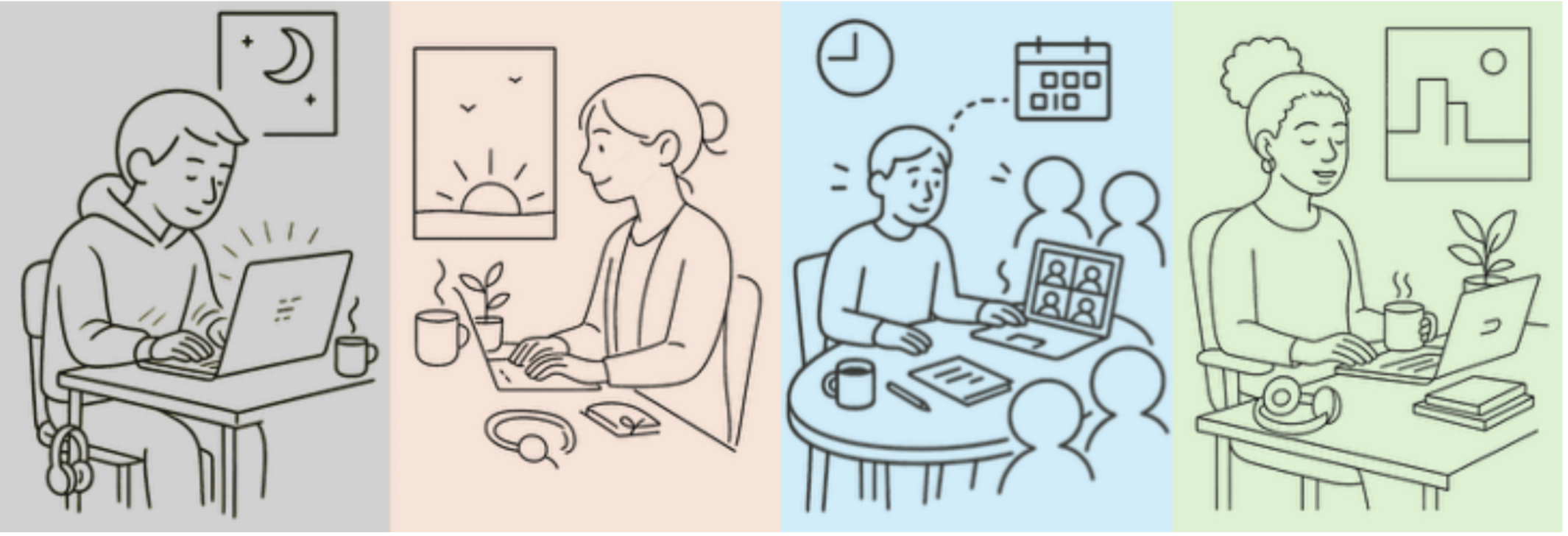
- We all work differently. Being aware of this and communicating our preferences is important to shared success.
