
Q2 2026
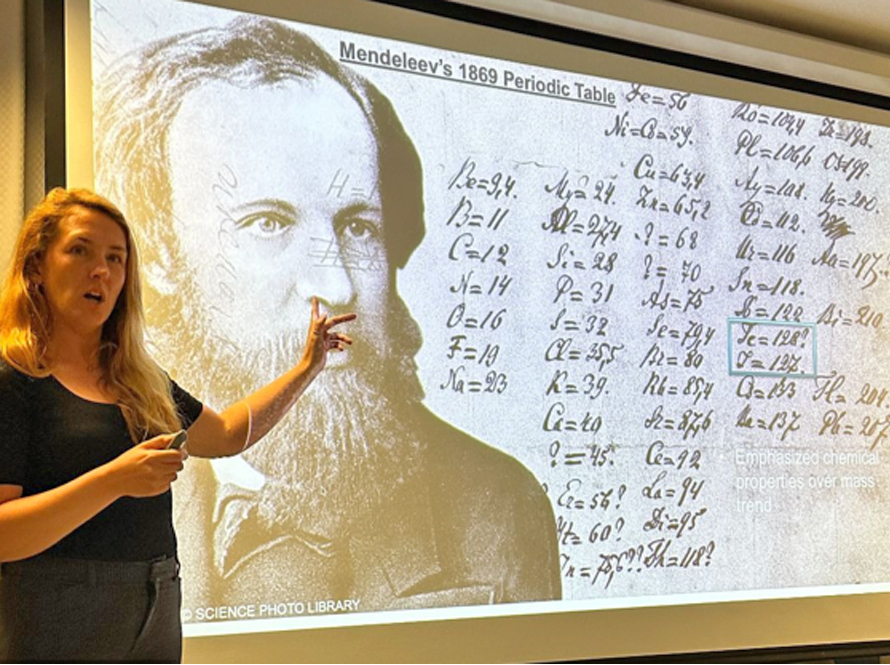
Jennifer Pore from NSD’s Low Energy Nuclear Physics Program continues a Berkeley Lab legacy of reshaping the periodic table. Utilizing the 88-Inch Cyclotron facility, the NSD’s Heavy Element Group aims to reevaluate the placement of superheavy elements, following in the historic footsteps of Glenn Seaborg.
Q1 2026
From Profound Losses to New Beginnings: Nuclear Science Division Looks Ahead in Early 2026
Q4 2025
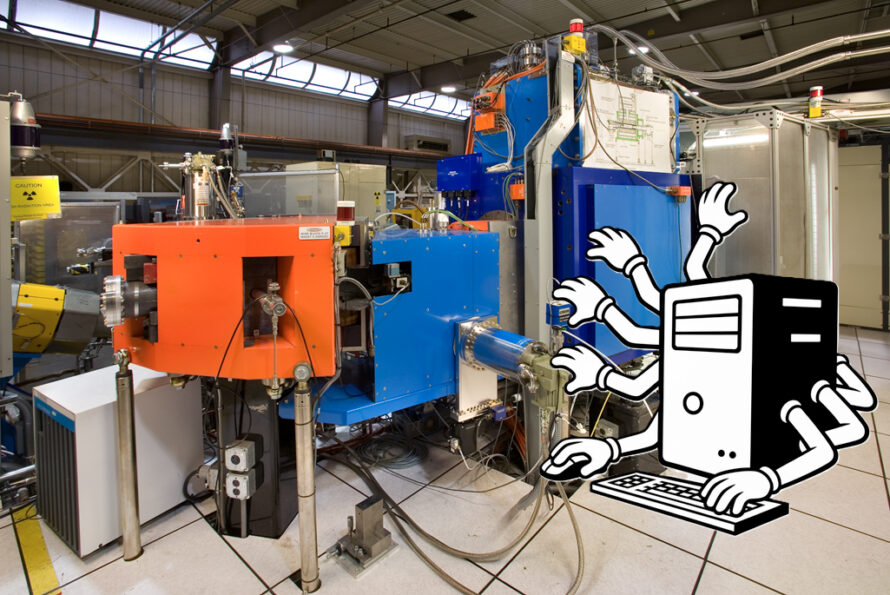
With more time and experience, the processing capabilities of computers running machine learning techniques could make them the world’s best ion source operators. They are off to a good start with LBNL’s superconducting ECR ion source VENUS.
July 2025
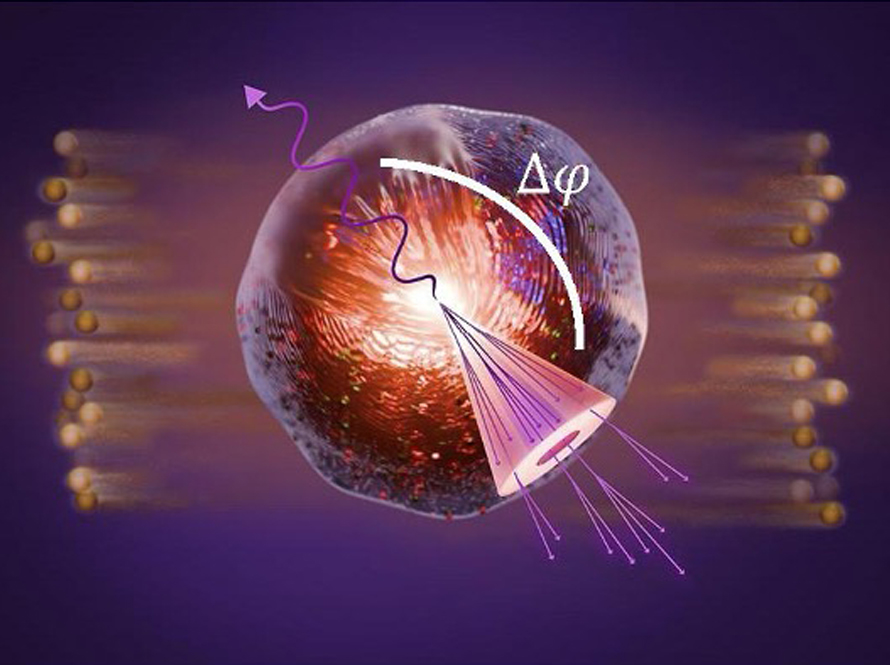
The STAR Collaboration at RHIC and the ALICE Collaboration at the LHC have carried out new scattering experiments to explore the structure of the Quark-Gluon Plasma.
May 2025
A recent community-driven white paper, whose writing was led in part by members of the NSD, surveys the advanced nuclear physics computing landscape, identifying opportunities for both the research community and the funding agencies to exploit such developments.
February 2025
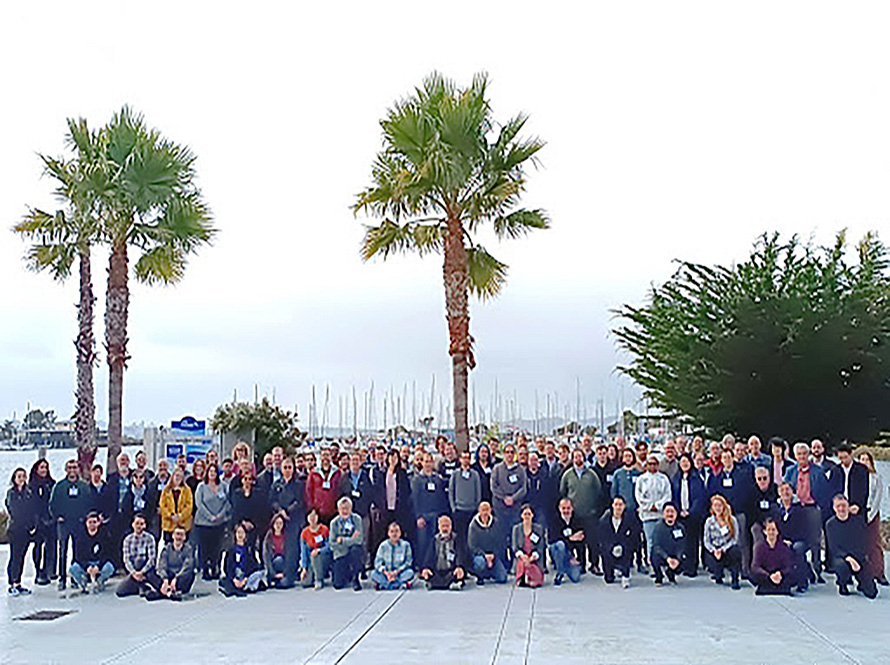
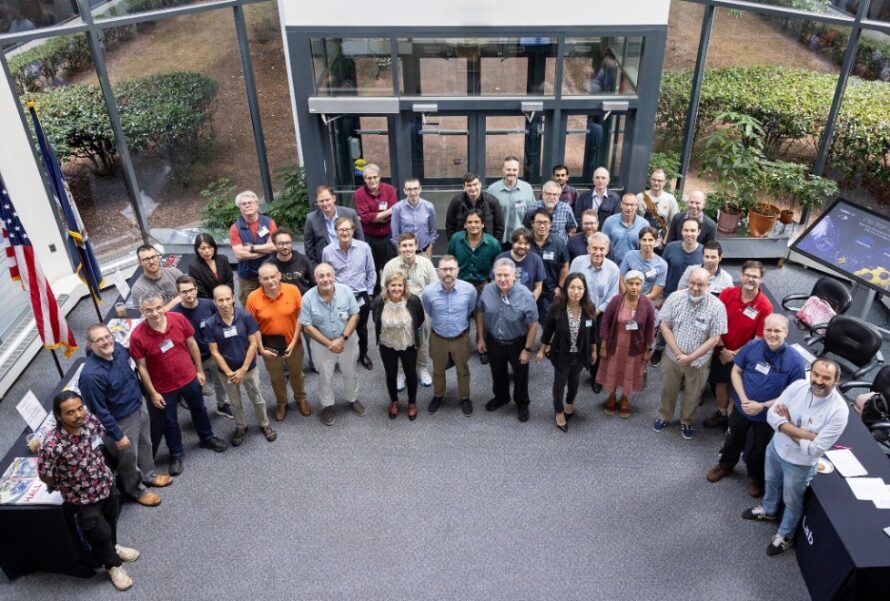
In December, NSD held the second annual offsite retreat during which the whole division came together to hear updates from the scientific programs, and discuss topics including career development, outreach and communication, and cross-divisional collaboration.
October 2024
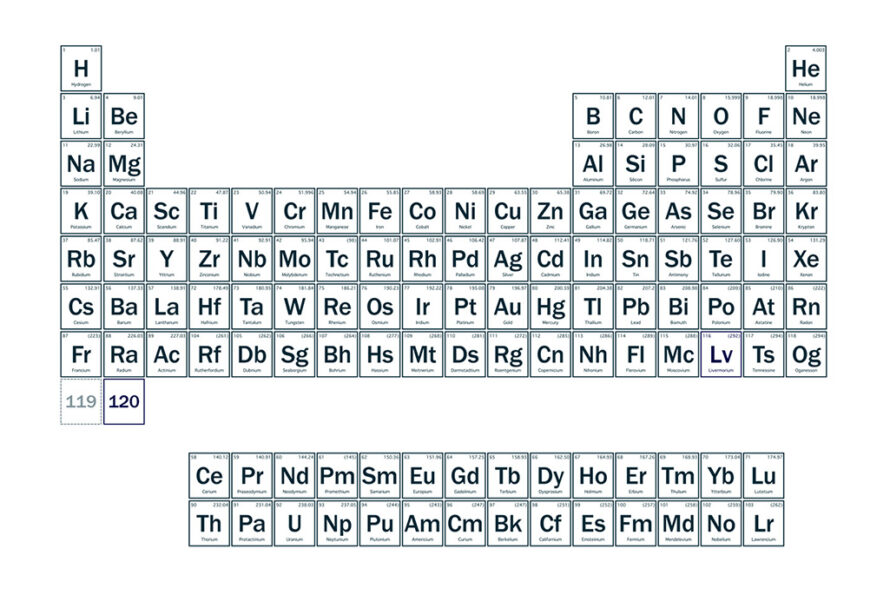
A major breakthrough in our heavy element program was achieved and published, with the first production of a superheavy element, Livermorium (Z=116), using a 50Ti beam. Find out more in this issue about how this achievement opens the door to search for Element 120.
July 2024
The goats are back at the Lab, so it must be summer. It is also the time to welcome nine summer interns who are working with teams across the Division. There was much to celebrate since the last newsletter.
April 2024
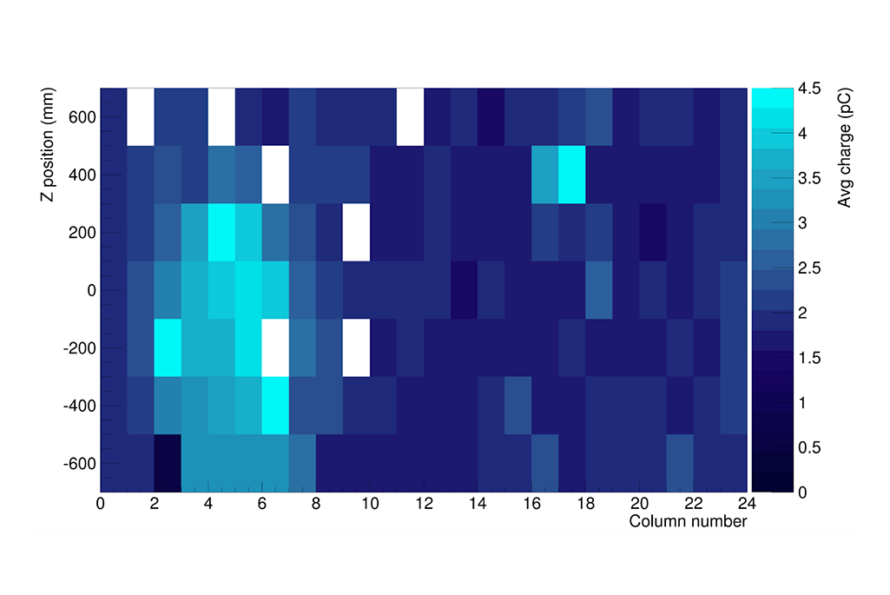
It was wonderful to learn that Alan Poon is among five Berkeley Lab researchers elected into the 2023 class of the American Association for the Advancement of Science. Heartfelt congratulations to Alan and all 2023 AAAS fellows.
January 2024
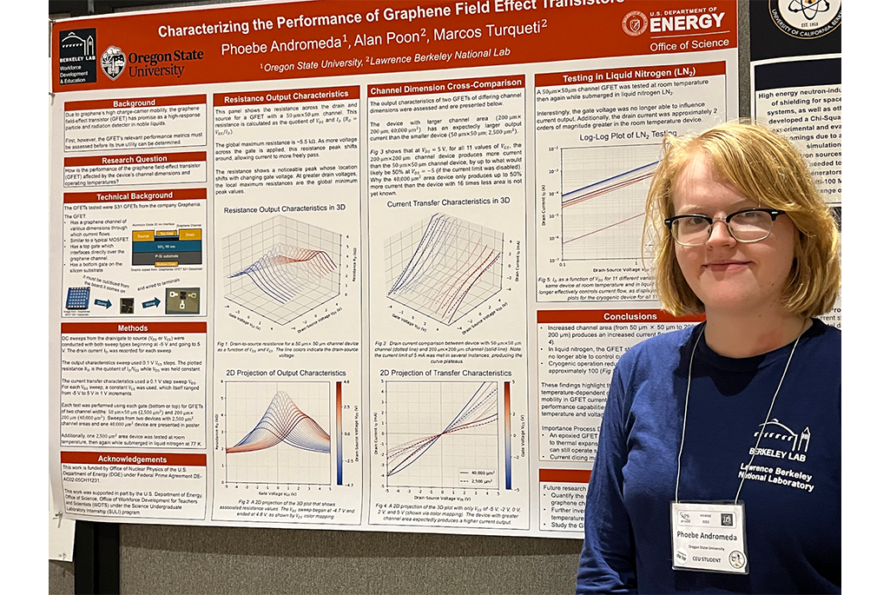
2023 has been an important year for Nuclear Science in the U.S. with the roll out of the new NSAC Long Range Plan (LRP) on Nuclear Science “A New Era of Discovery”.
October 2023
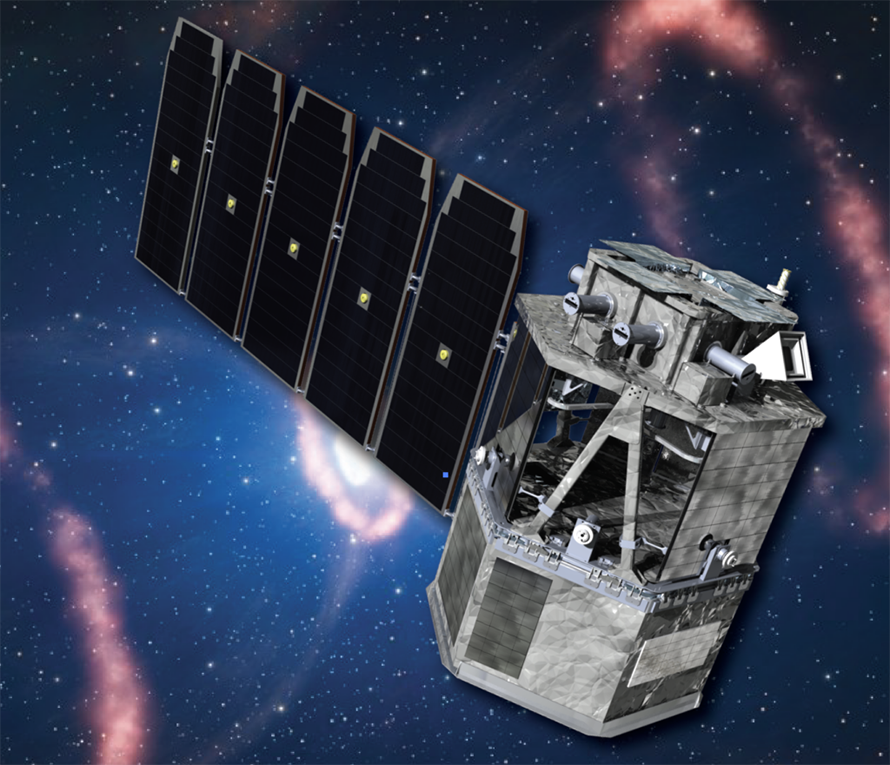
Fall is kicking off with major developments. The Nuclear Science community is rolling out its new Long Range Plan for Nuclear Science with ambitious scientific and technical goals and clear priorities for the years ahead…
July 2023
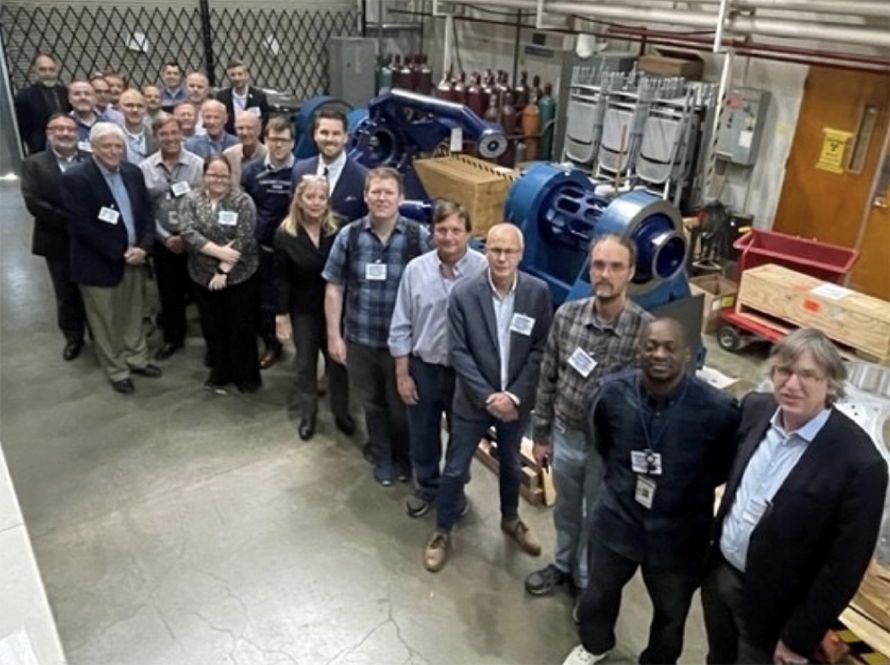
This issue provides insights on why coherent photonuclear interactions in ultra-peripheral collisions (UPCs) at ALICE and STAR provide physics opportunities while also presenting a puzzle for our theoretical understanding of…
April 2023
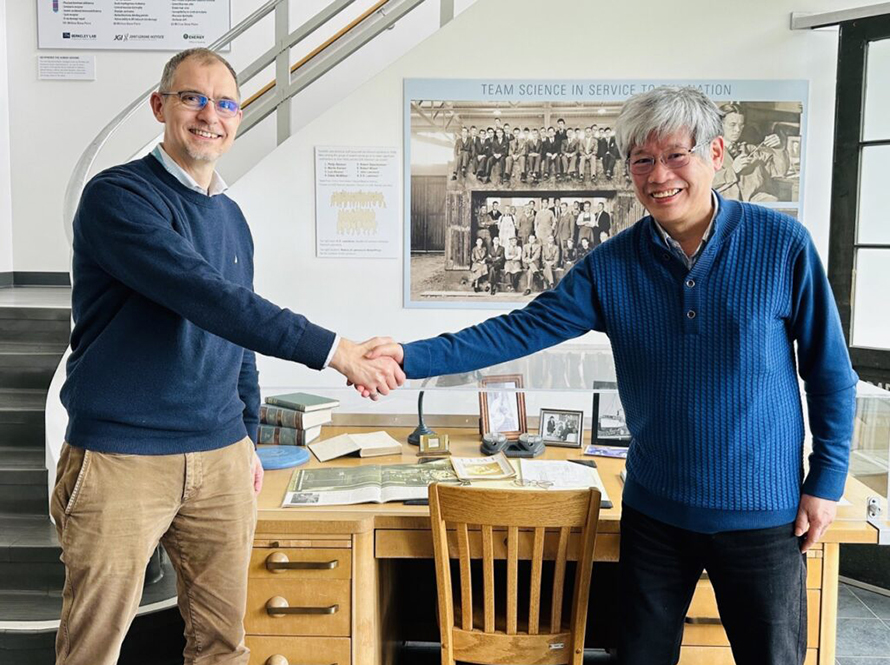
In this issue of the NSD Newsletter we learn about exciting theoretical studies by the NSD theory group of Mach cones that are produced by jets in high-energy heavy-ion collisions and provide insights on the equation of state and shear viscosity…
January 2023
2023 promises to be an exciting year. The U.S. nuclear science community, with strong involvement by division members, is developing its new NSAC Long Range Plan. Major projects of the division are advancing with GRETA moving into…
October 2022
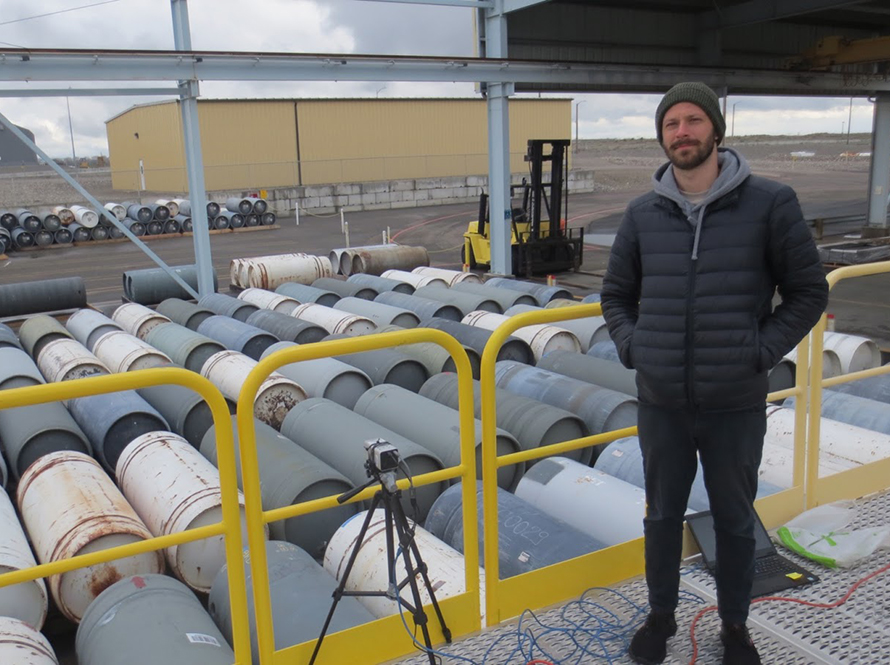
The 88-Inch Cyclotron facility provides high-intensity, medium-charge-state ions as well as low-intensity, high-charge-state ion beams to its users. The positively charged ion beams are used for experiments ranging from Super Heavy Element searches…
July 2022
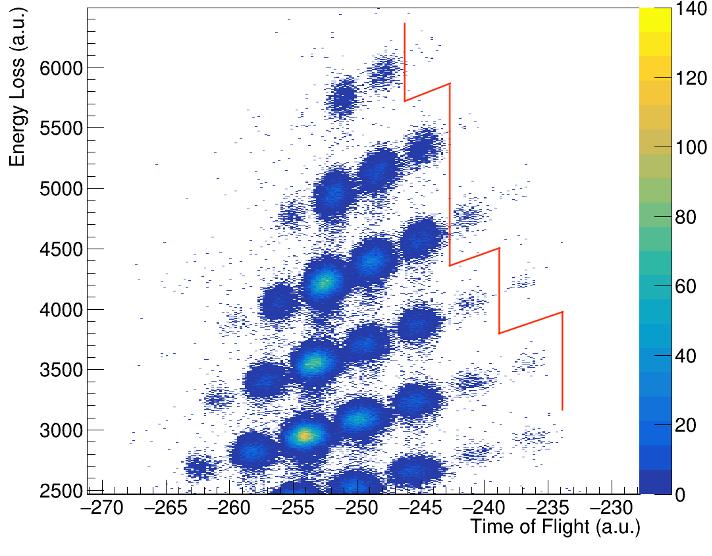
The Facility for Rare Isotope Beams (FRIB) officially began operations and started its user program in May. A ribbon-cutting ceremony was held May 2, 2022 to officially mark the “start of FRIB’s scientific mission” with U. S. Secretary of Energy Jennifer Granholm and the…
April 2022

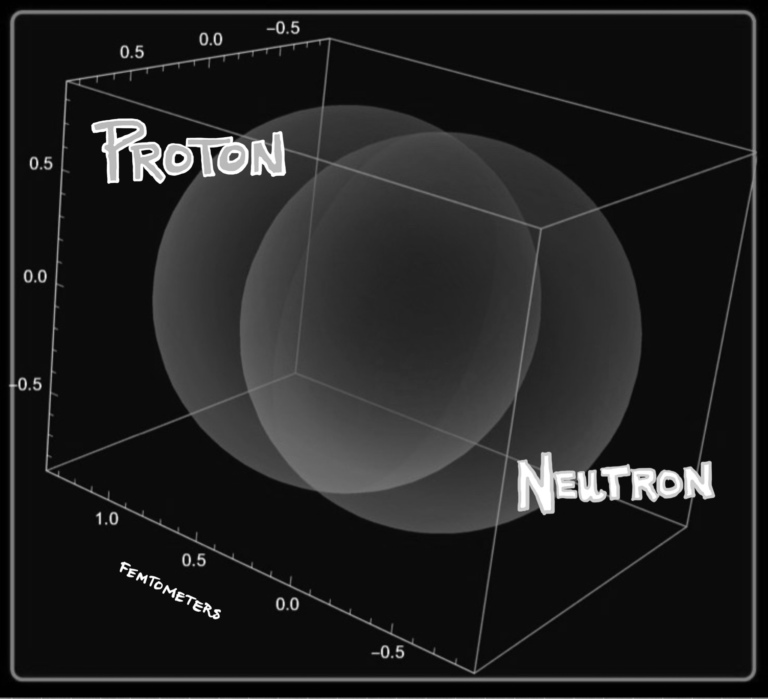
The building blocks of matter, protons, and neutrons, are made of quarks and held together by gluons. Each of these objects – quarks, gluons, protons, and neutrons…
January 2022
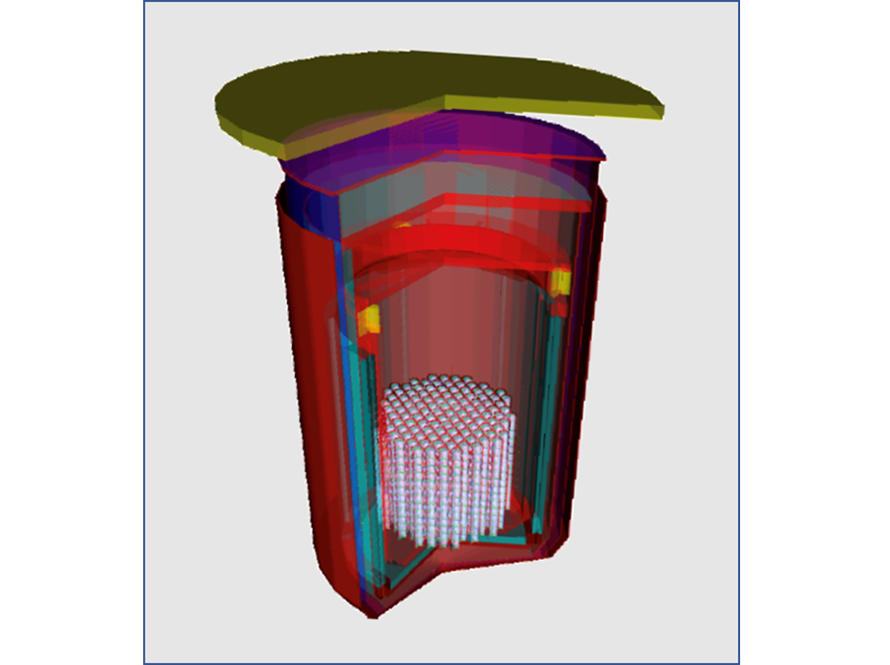
CUPID is an experiment to search for neutrinoless double beta decay (NLDBD). The DOE Nuclear Physics program granted Critical Decision Zero (CD-0, “mission need”) to the experiment in…
October 2021

Many of the superheavy elements discovered in the last few decades were produced by bombarding heavy-element targets with high-current beams of neutron-rich isotopes like…
July 2021
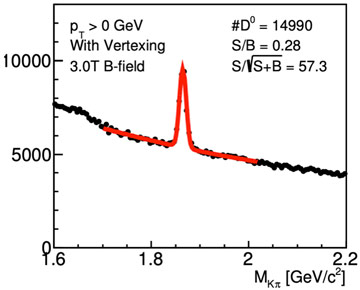
With CD-0 from the DOE and the formation of an Electron-Ion Collider (EIC) Project Office, experimental physicists are spending more time thinking about EIC detectors…
January 2021
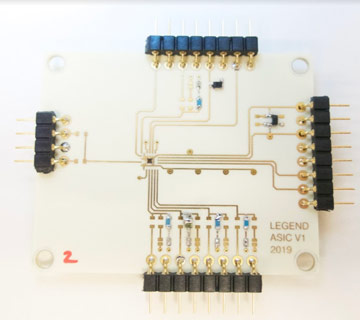
The Large Enriched Germanium Experiment for Neutrinoless Double Beta Decay (LEGEND) project is a next-generation experiment to search for the lepton-number-violating process neutrinoless double-beta decay (0νββ) in…
October 2020
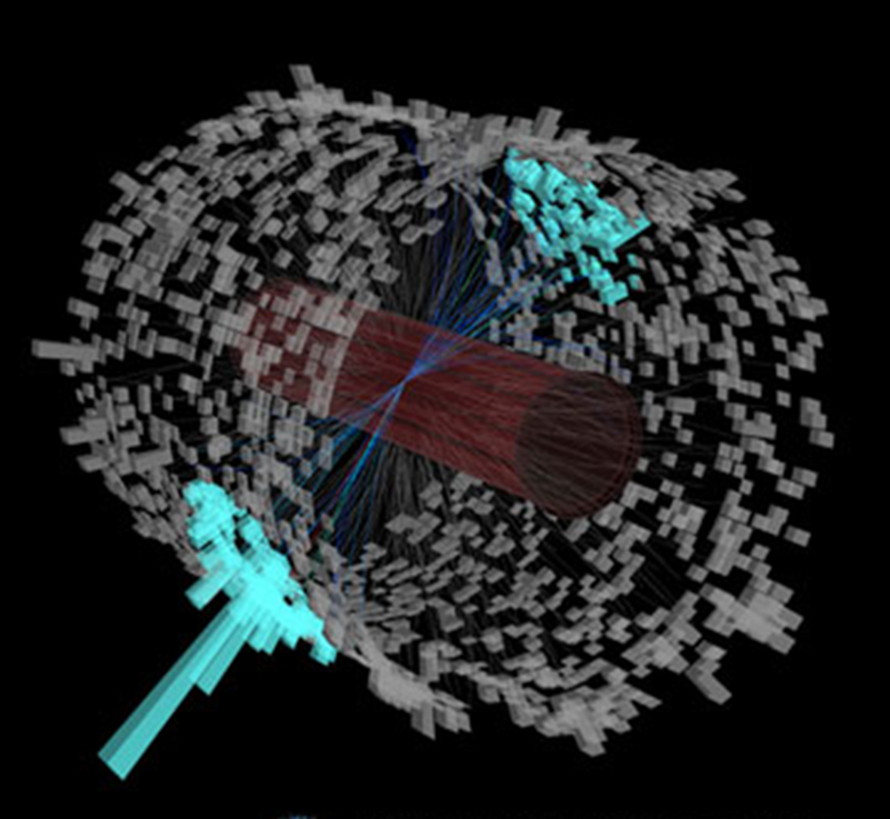
Collisions of heavy atomic nuclei at the Relativistic Heavy Ion Collider (RHIC) at BNL and the Large Hadron Collider (LHC) at CERN generate tiny droplets of matter under conditions of…
July 2020

With this issue, we are proud to introduce a new regular newsletter section “Diversity, Equity and Inclusion Moments,” highlighting recent Division DEI activities.
April 2020
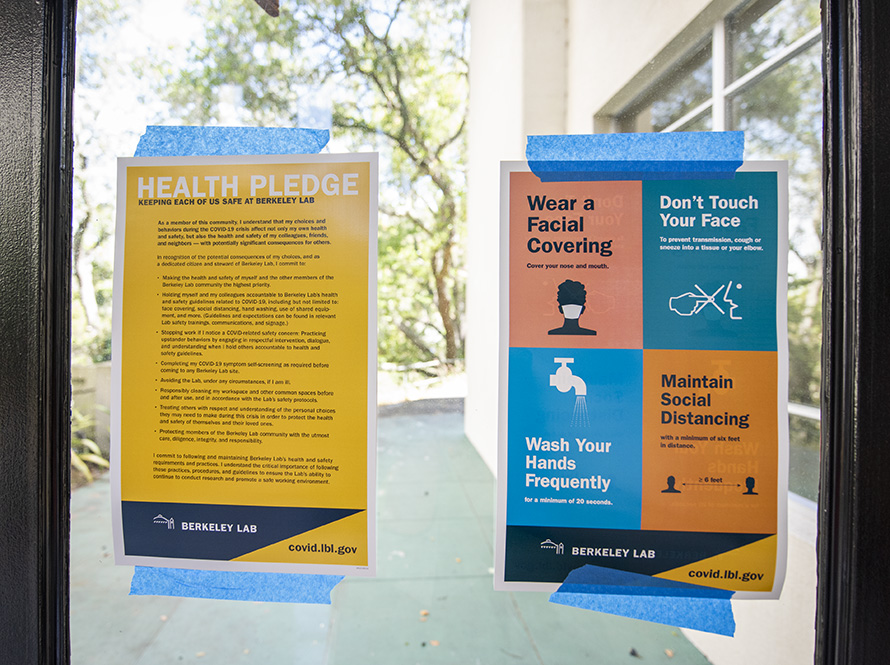
For the Nuclear Science Division (as for the lab as a whole), safety is our highest priority. So, most of us are working from home, on data analysis, simulations, writing, and other tasks…
January 2020

Gamma-Ray Energy Tracking Array (GRETA) is a 4π germanium tracking detector capable of reconstructing the energy and three-dimensional position of γ-ray interactions that will provide an unparalleled resolving power…
