Celebrating A-LIFT’s Outstanding Pre-College Volunteer: Hannah Parrilla
Episode 3: The Invisible Cannonball: Tracking Alpha Therapy for the Future of Cancer Treatment
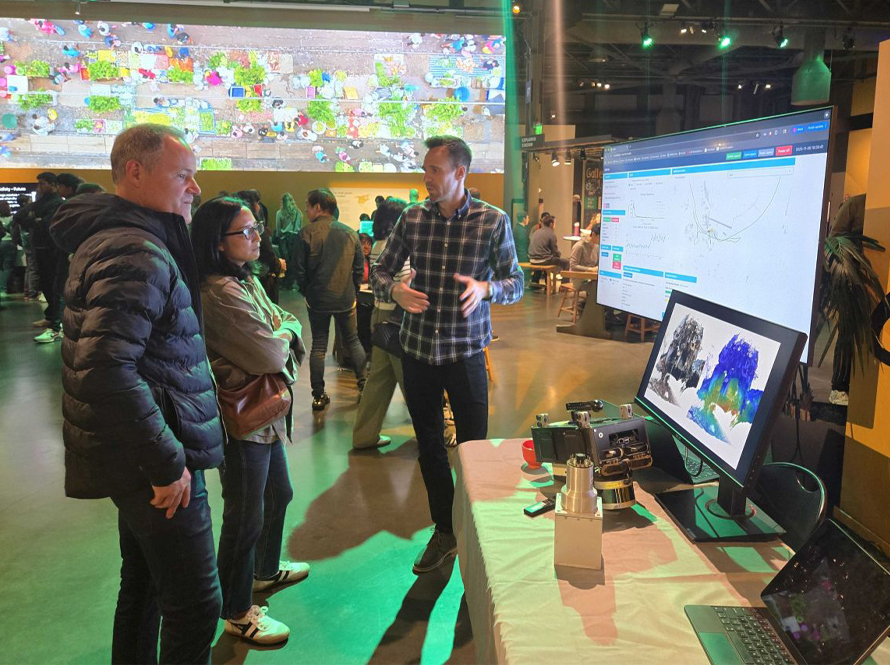
Fast Machine Learning-Enabled Uncertainty Quantification for Radiological Mapping
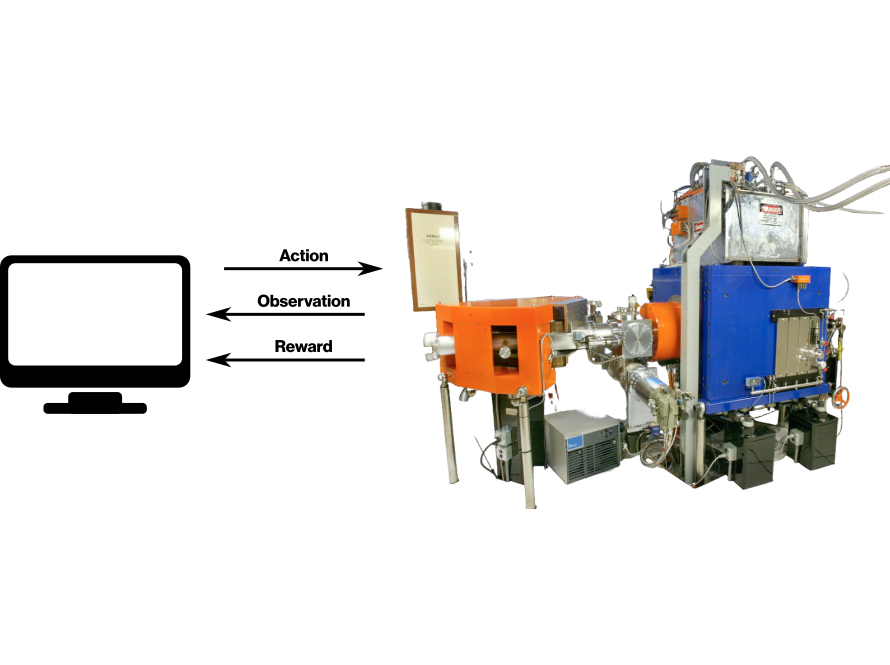
Offline Reinforcement Learning for VENUS Control
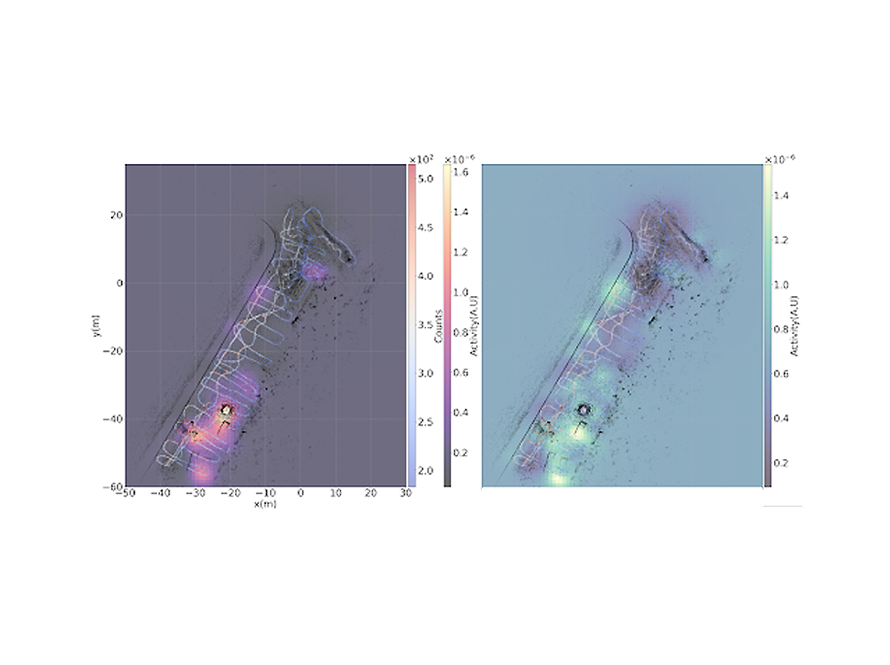
After Dark: Modern Methods of Visualizing Nuclear Radiation
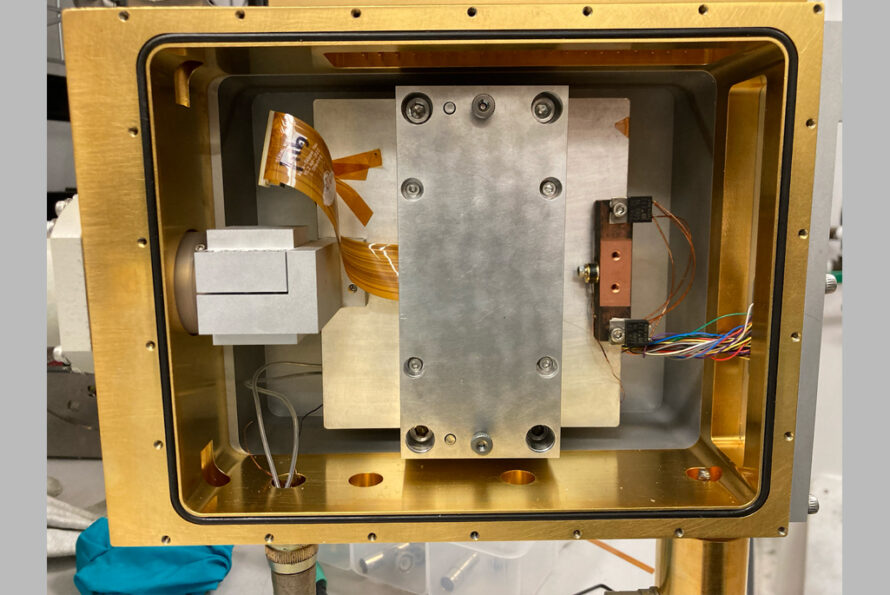
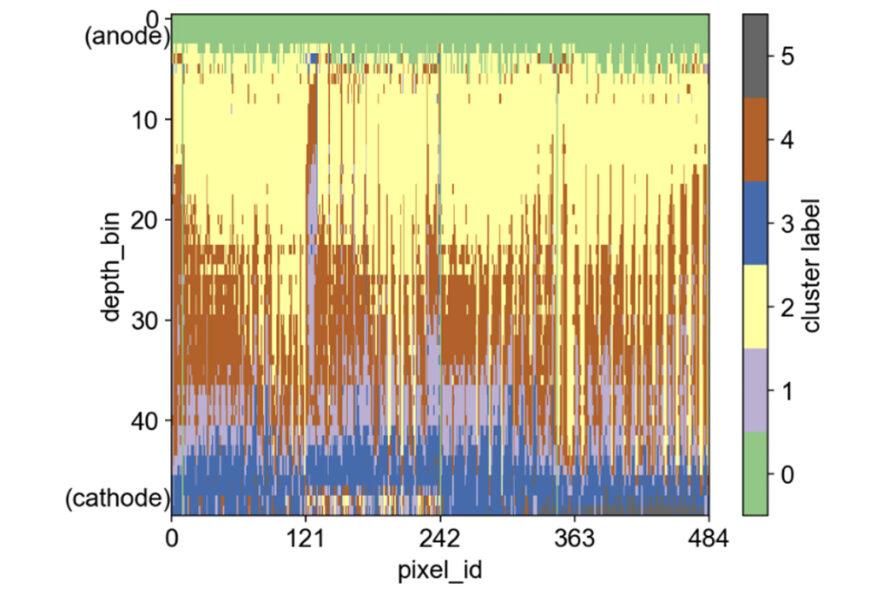
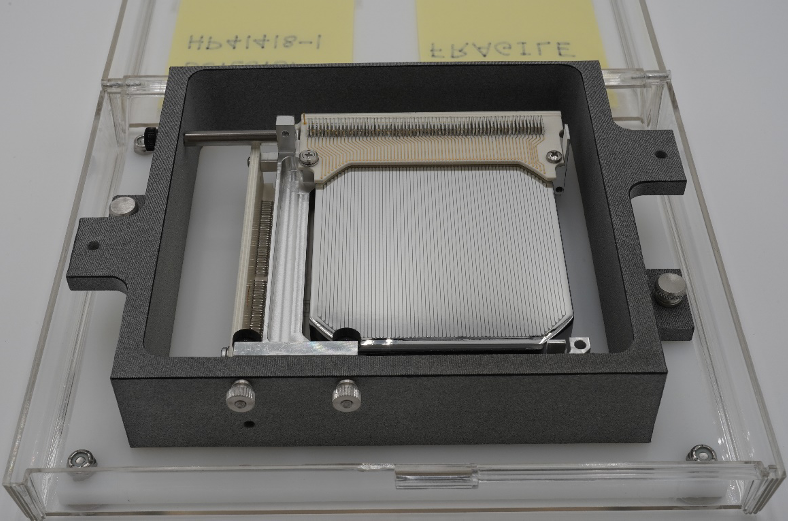
Quest for Tritium Detection with Scientific CCDs Fueled by Deep Learning
NSD Welcomes Summer Interns

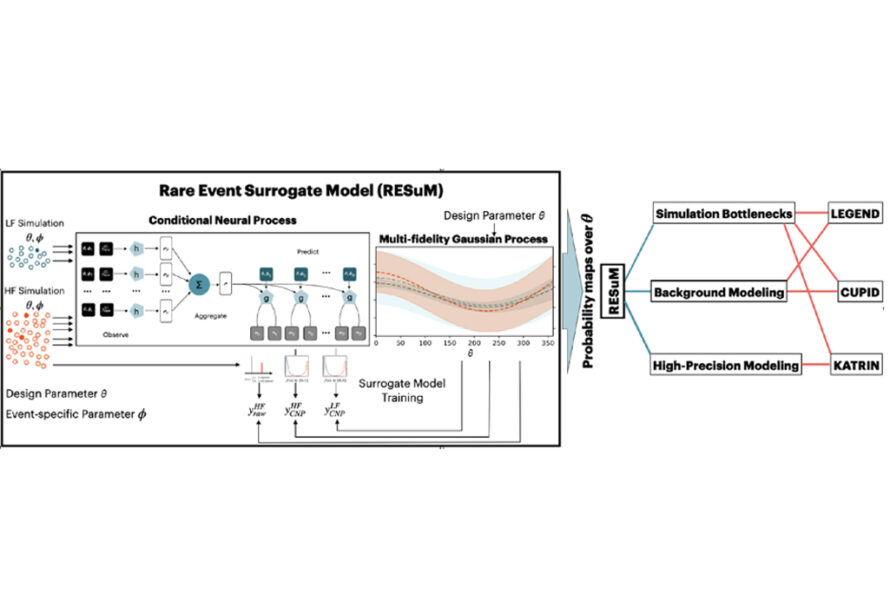
Complex analyses, uncertainty quantification, and machine learning
LBNL develops gamma spectroscopy optimization code for international nuclear safeguards
3Q4: Hannah Parrilla and Autism Acceptance Month
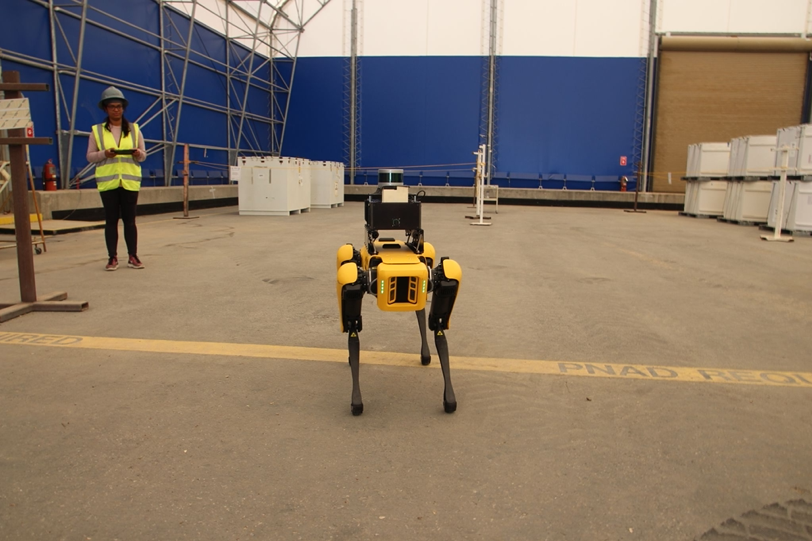
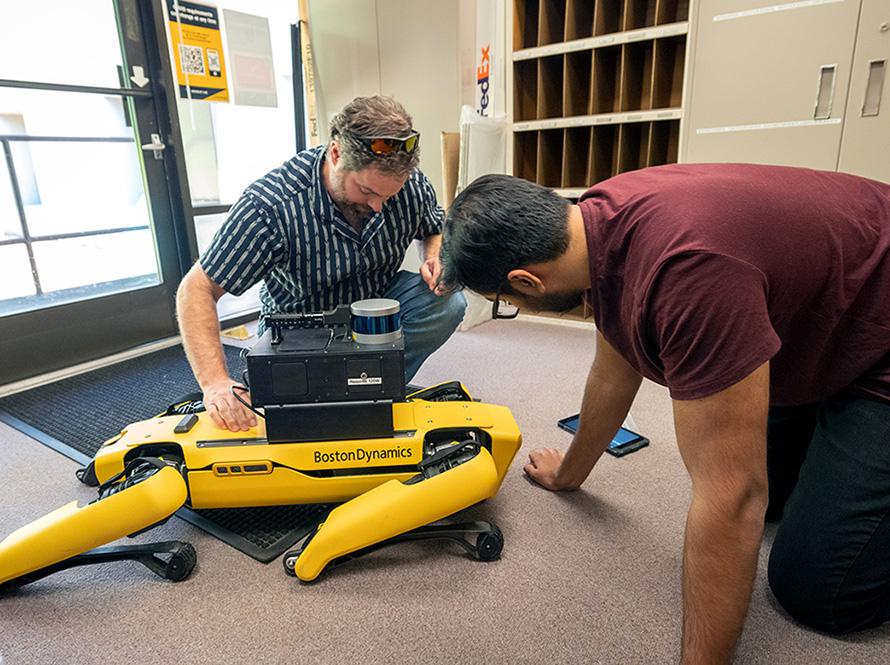
Researchers Demonstrate Robotic Inspection for Nuclear Safeguards
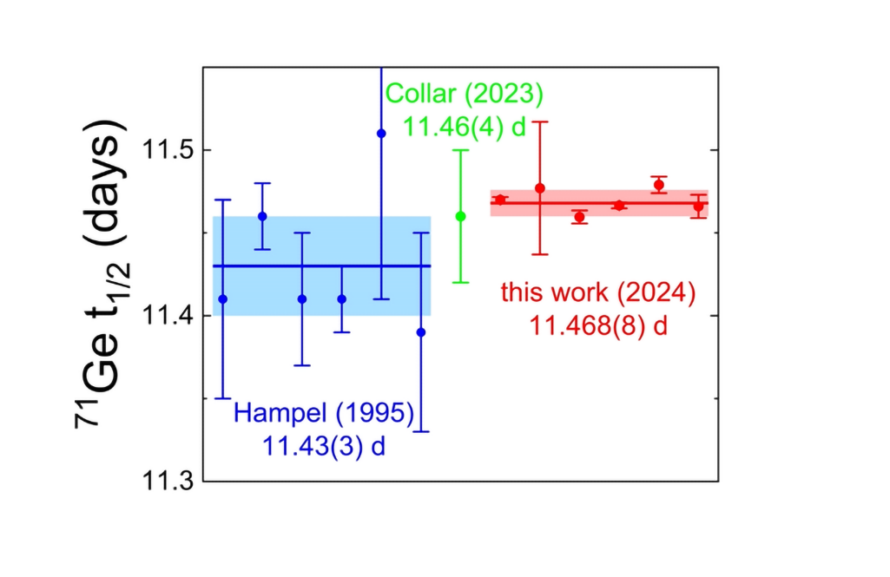
Half-life of 71Ge and the Gallium Anomaly
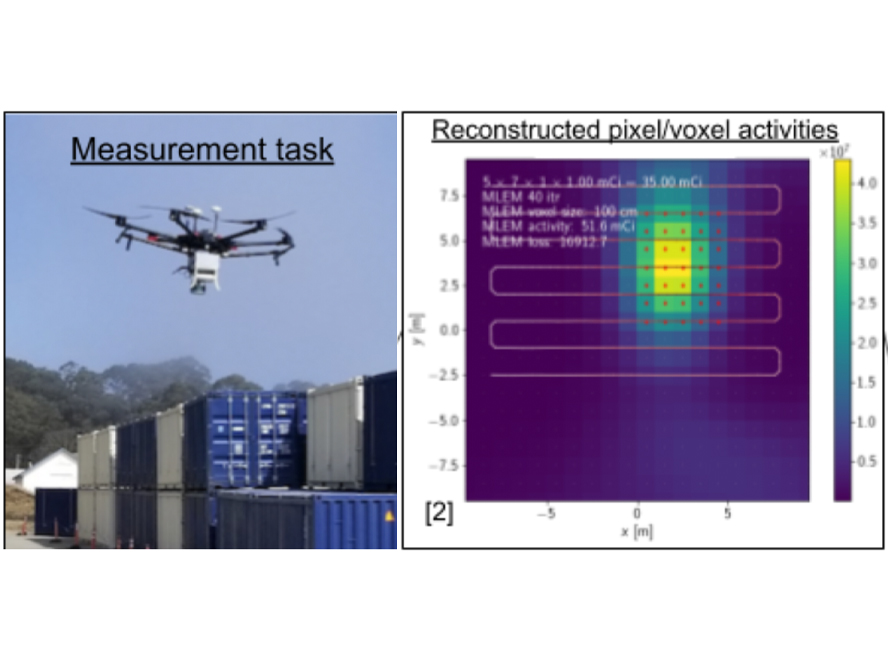
A Bayesian Approach to Free-Moving Radiation Mapping with a Single Detector
Empowering Detector Development: Introducing the Upgraded Scintillator Library
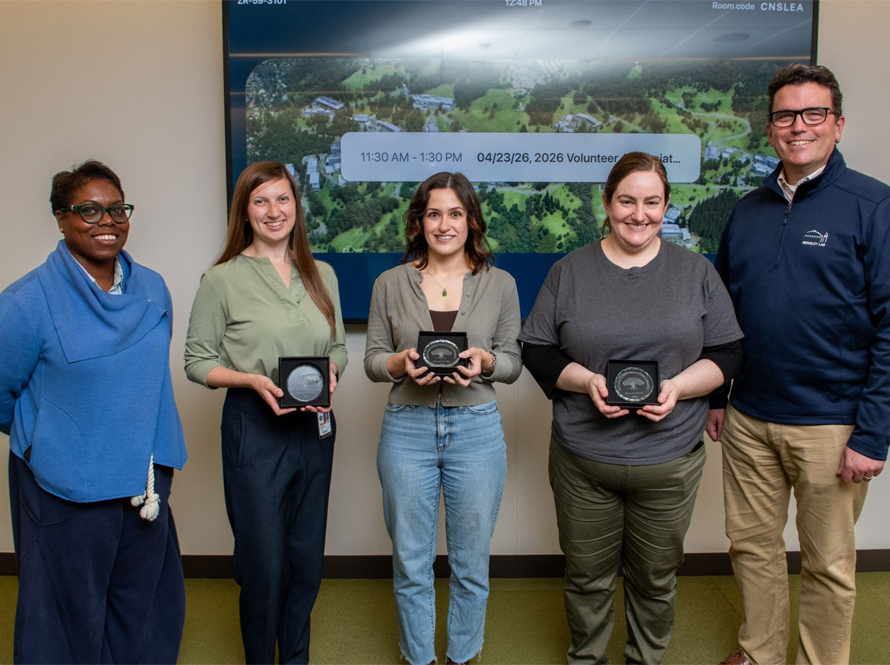
NSD’s Lee Bernstein and Brian Quitter Recognized with Director’s Awards

Making Rad Maps With Robot Dogs
Semiconductor Detector Lab Reaches for the Stars
Applied Nuclear Physics Program Aiding Clean-up of Cold War-Era Radioactive Contamination through Radiological Mapping
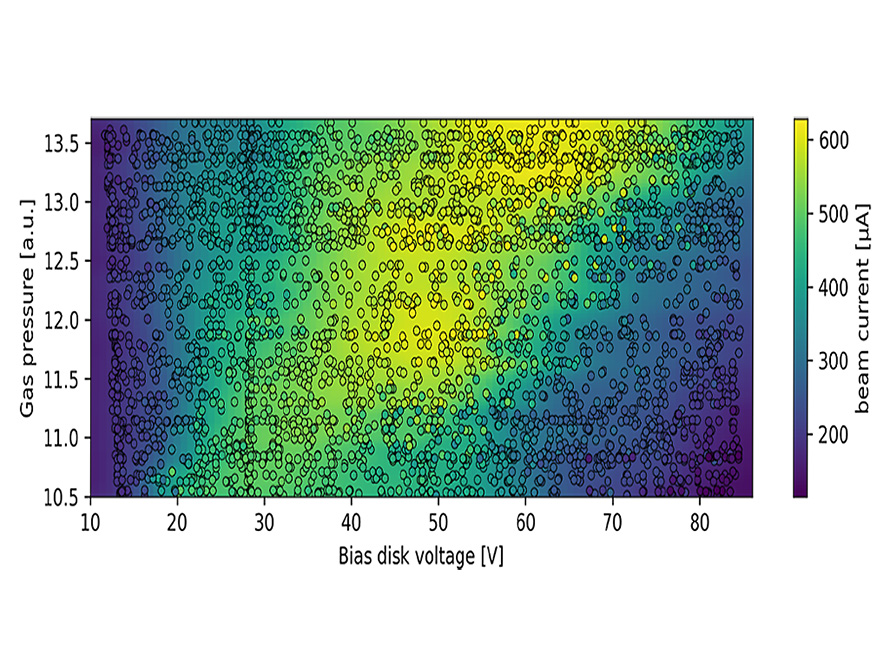
Exploring Machine Learning at VENUS
Scintillator Research Group moves to NSD
NSD Postdocs Compete in LBNL Research SLAM Final

LBNL Participates in UF6 Cylinder Measurement Campaign at Fuel Fabrication Facility
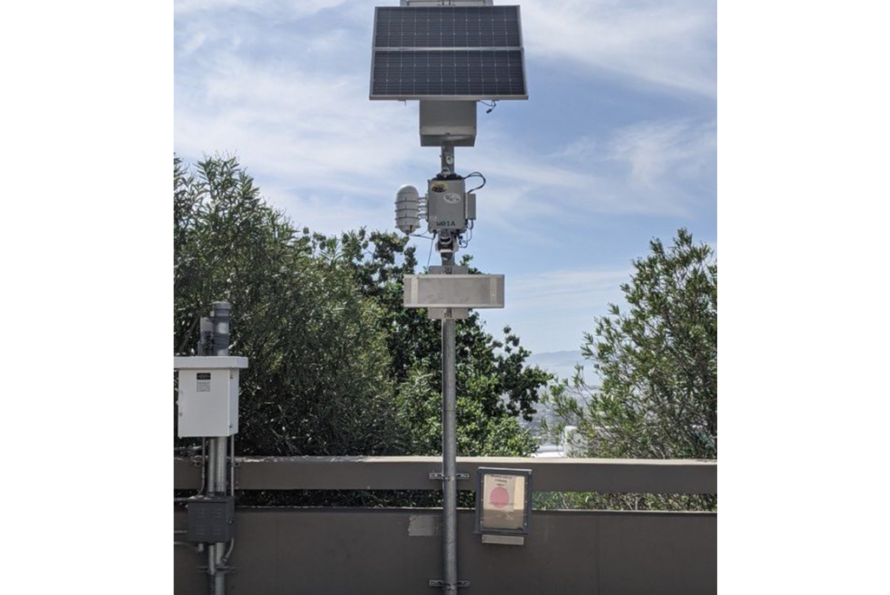
Advanced sensor networks for radiological detection
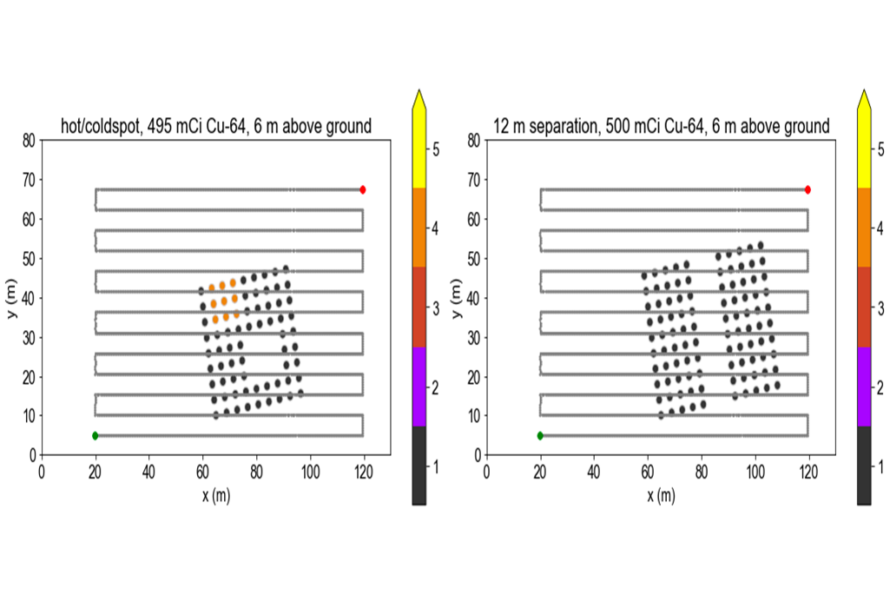
Mapping Distributed Radiation Sources Quantitatively