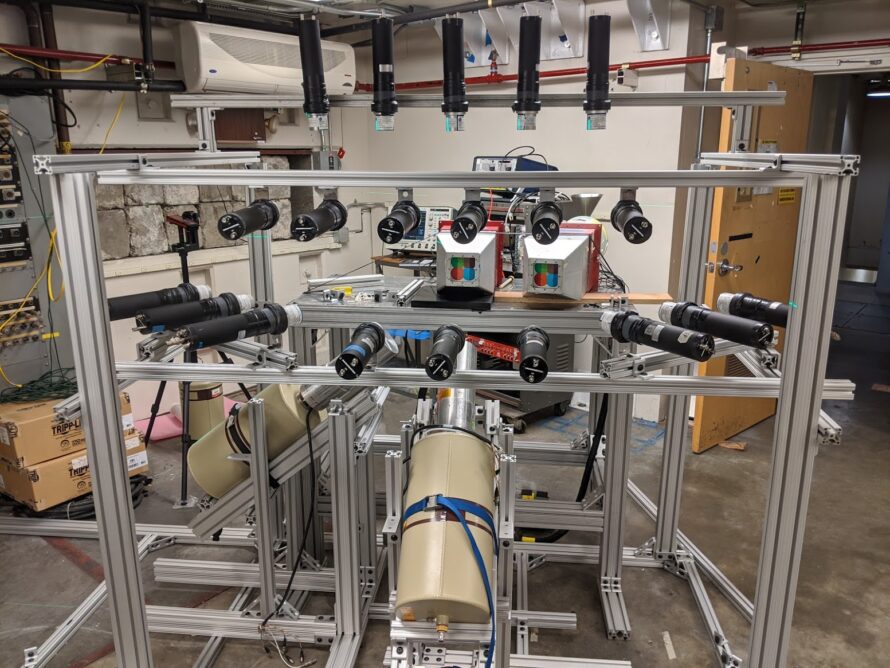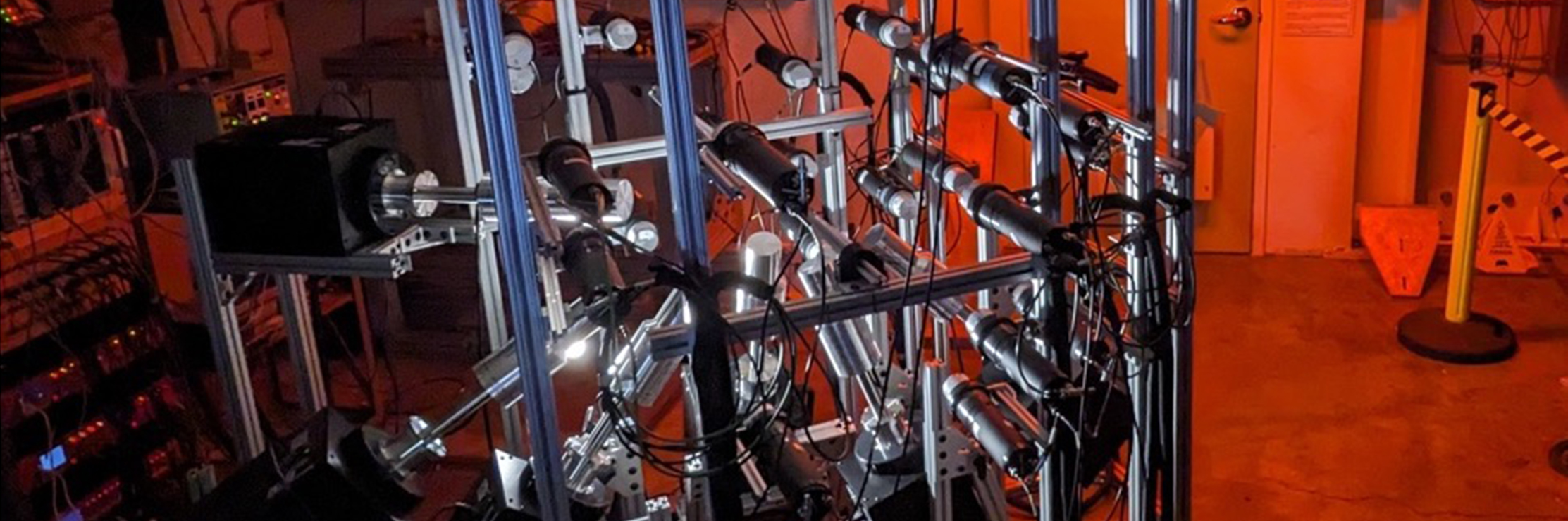
The goal of the Nuclear Data Program is to address the data needs of the basic and applied nuclear science community while training the next generation of nuclear scientists and engineers. We do this through a combination of experimental and evaluation activities. Most of our experimental work takes place at the Lawrence Berkeley National Laboratory 88-Inch Cyclotron or at the Nuclear Technology Innovation Laboratory within the UC Berkeley Department of Nuclear Engineering.
The Nuclear Data Program includes the Bay Area Neutron Group (BANG) and collaborates closely with the Nuclear Science and Security Consortium (NSSC), led by Bethany Goldblum, on nuclear data, security and education-related efforts.

As a part of the US Nuclear Data Program (USNDP) and the Nuclear Structure and Decay Data Network of the IAEA with multiple joint faculty in the UC Berkeley Department of Nuclear Engineering, the Nuclear Data Program is intrinsically linked to the national and international nuclear science and engineering community. With a research program that encompasses basic science, nonproliferation, nuclear energy, plasma nuclear science and medical isotope production the Nuclear Data Program works to address fundamental data needs for both curiosity- and application driven nuclear science.
Magnetic Clues Inside Atomic Nuclei Help Explain How Elements Form In Stars
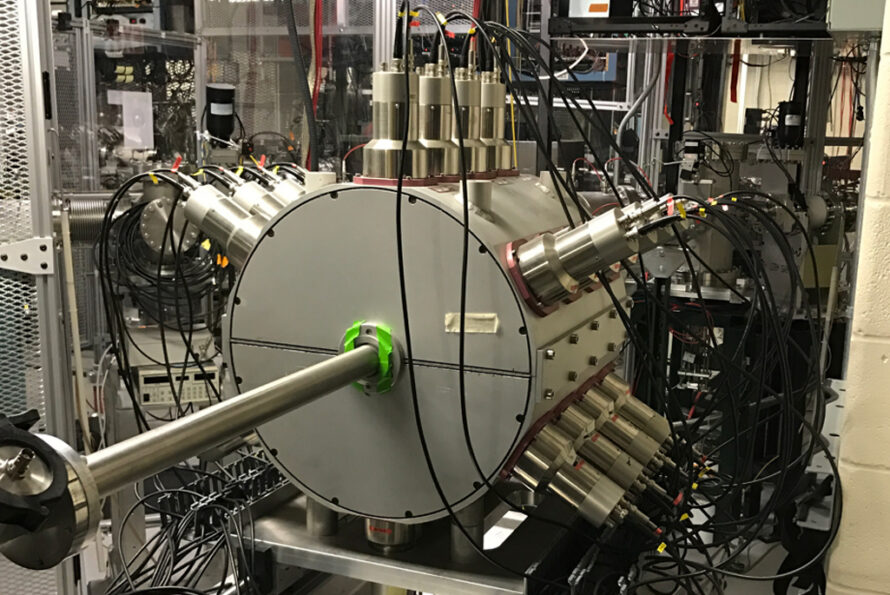
Tracing a New Astrophysical Pathway for Making the Heavy Elements
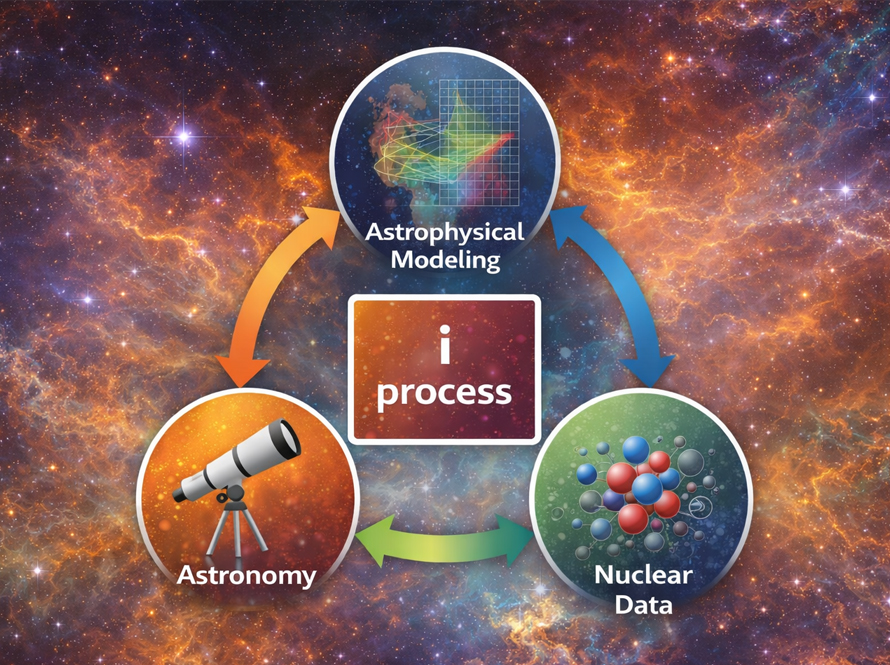
Stars Forge Elements in a Way We’re Only Beginning to Understand
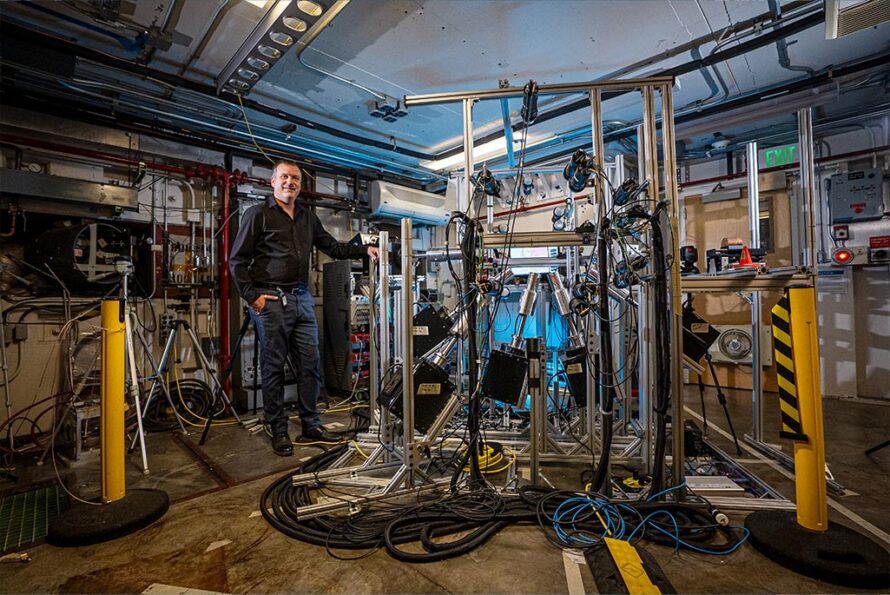
As part of the research that our program carries out, we have developed a number of specialty databases for nuclear data.
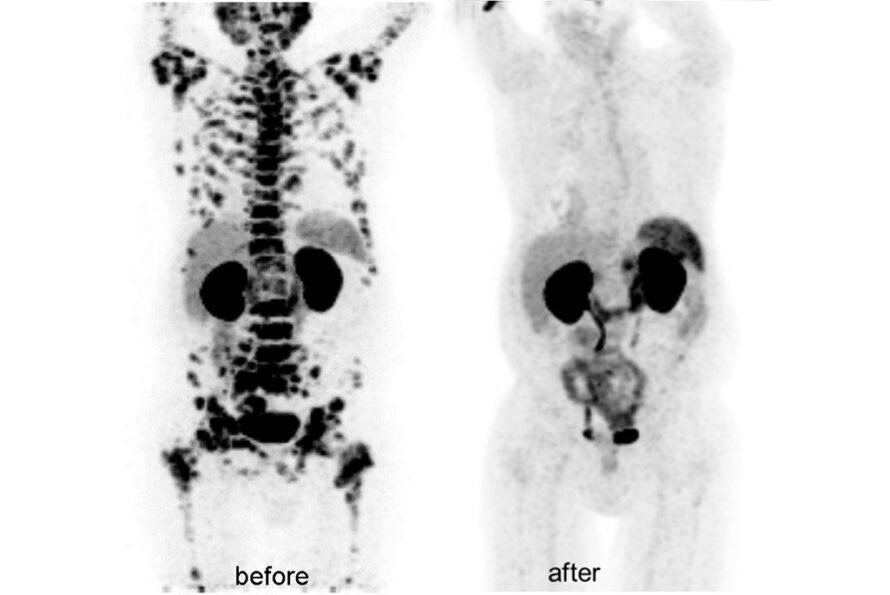
Actinium-225 Production
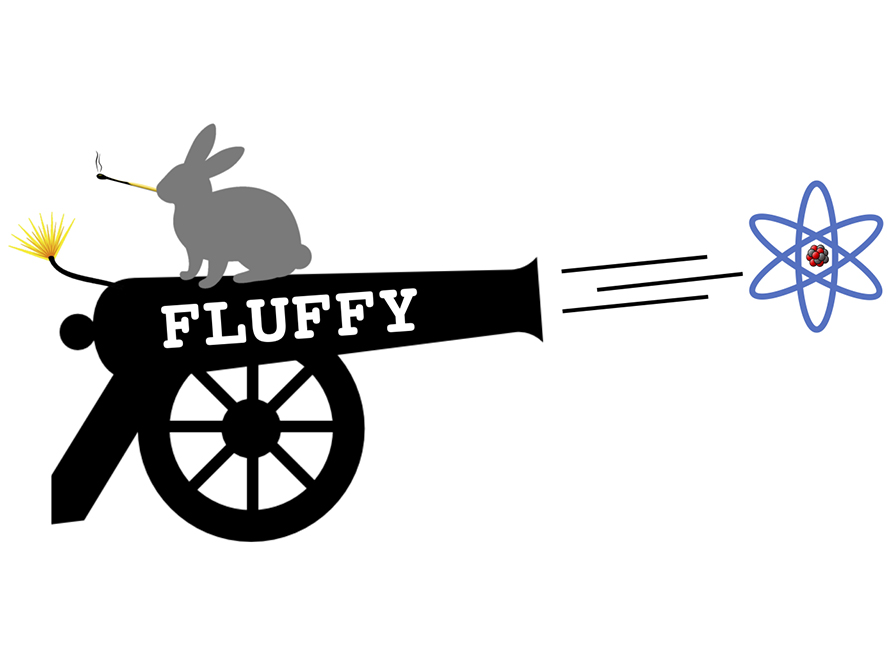
FLUFFY
GENESIS (Gamma Energy Neutron Energy Spectrometer for Inelastic Scattering)