Berkeley Lab Technology Wins R&D 100 Award
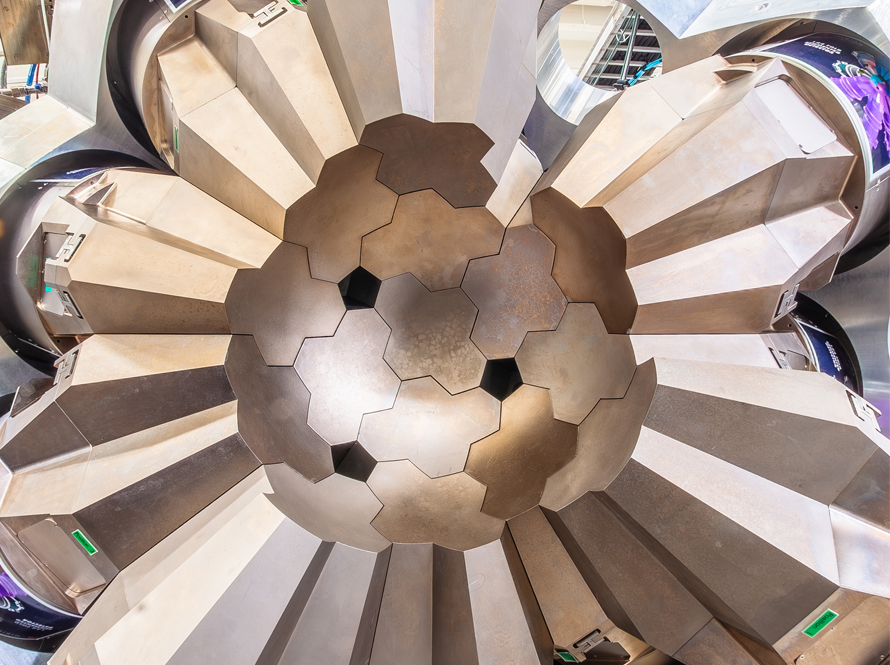
First nuclear science experiment with world's most advanced gamma-ray detector
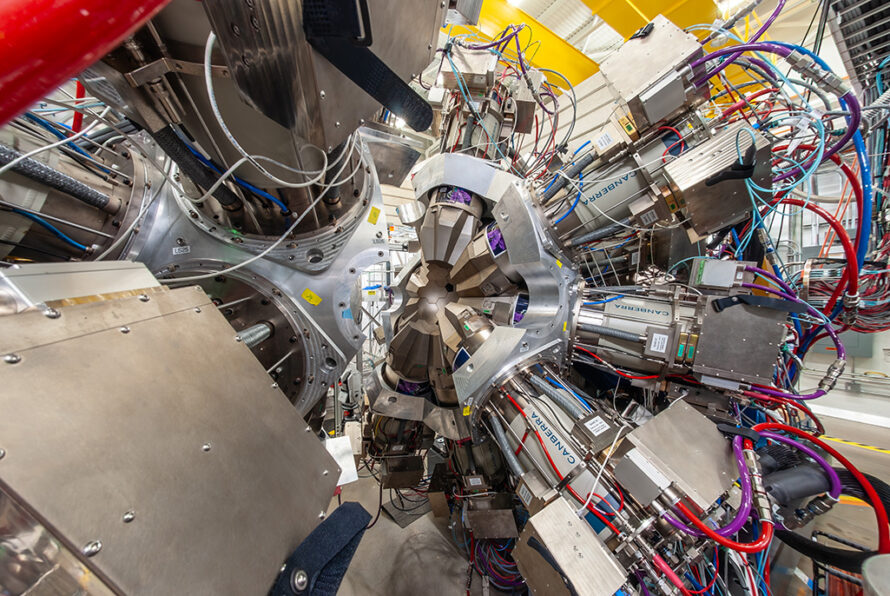
GRETA Comes Online for a New Era of Nuclear Science
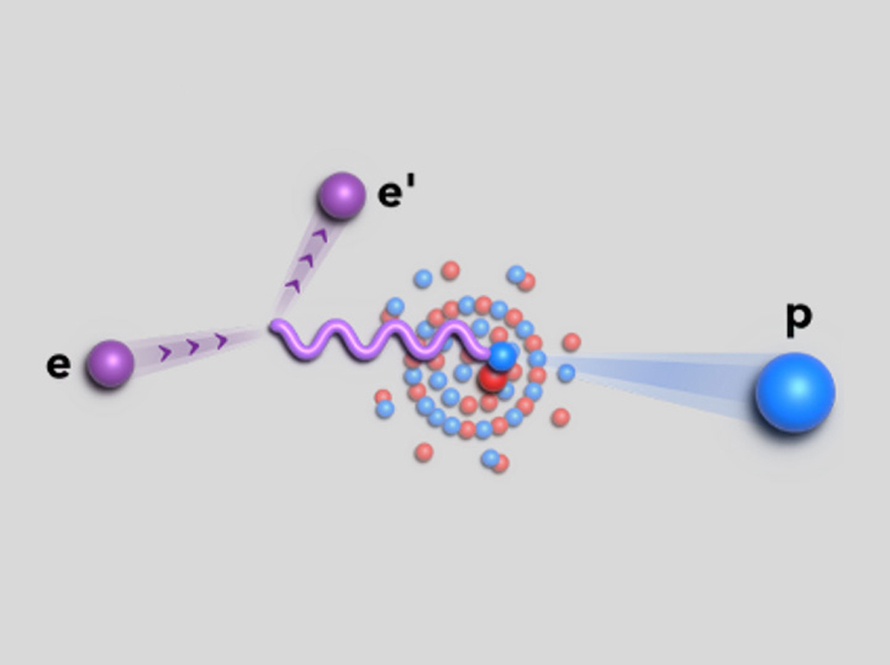
Magnetic Clues Inside Atomic Nuclei Help Explain How Elements Form In Stars
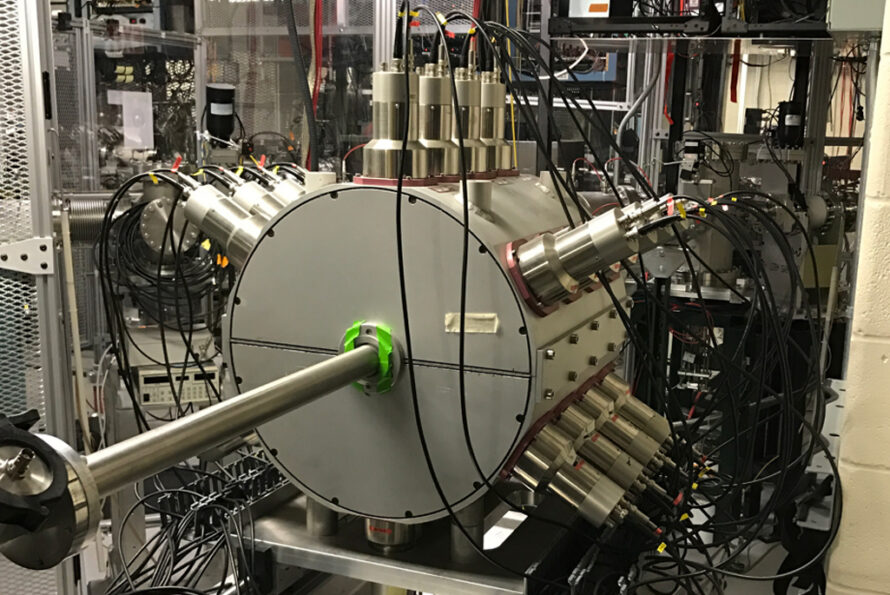
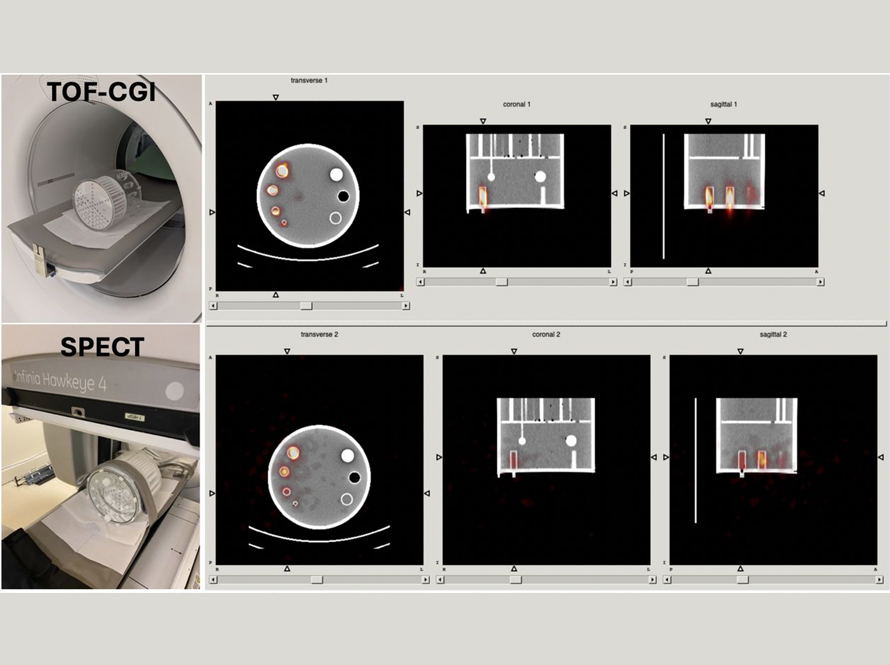
Breakthrough in Alpha Theranostics: First Images of Ac-225 in a Clinical PET Scanner
Announcing Paul Fallon as Interim Nuclear Science Division Director

Nuclear Physicists Discover New Rule for Peppy Partner Picking
Reiner Kruecken Named Berkeley Lab’s Associate Laboratory Director for Physical Sciences

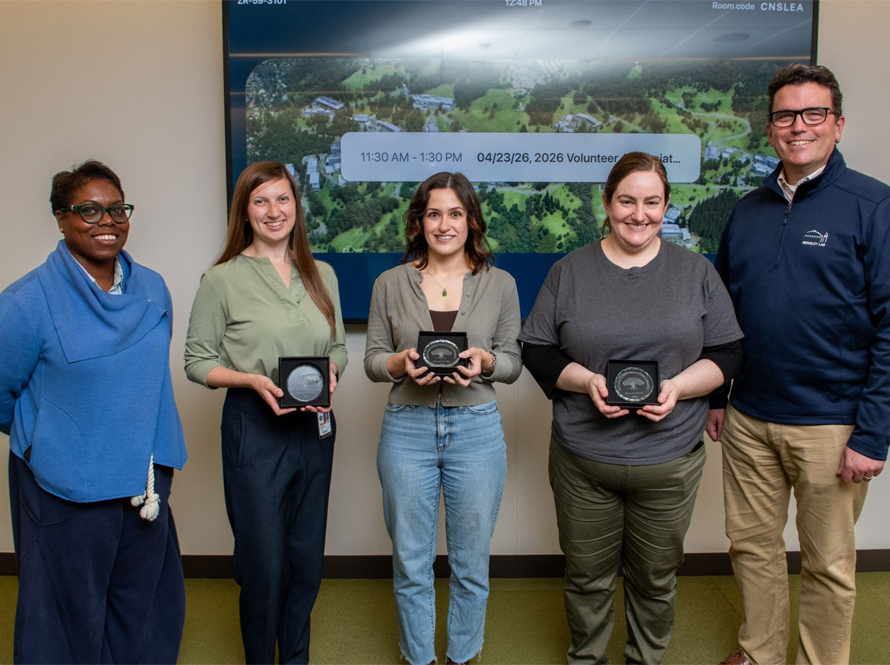
Celebrating A-LIFT’s Outstanding Pre-College Volunteer: Hannah Parrilla
Peter Jacobs' Multiple Awards Support Yearlong Research Leave

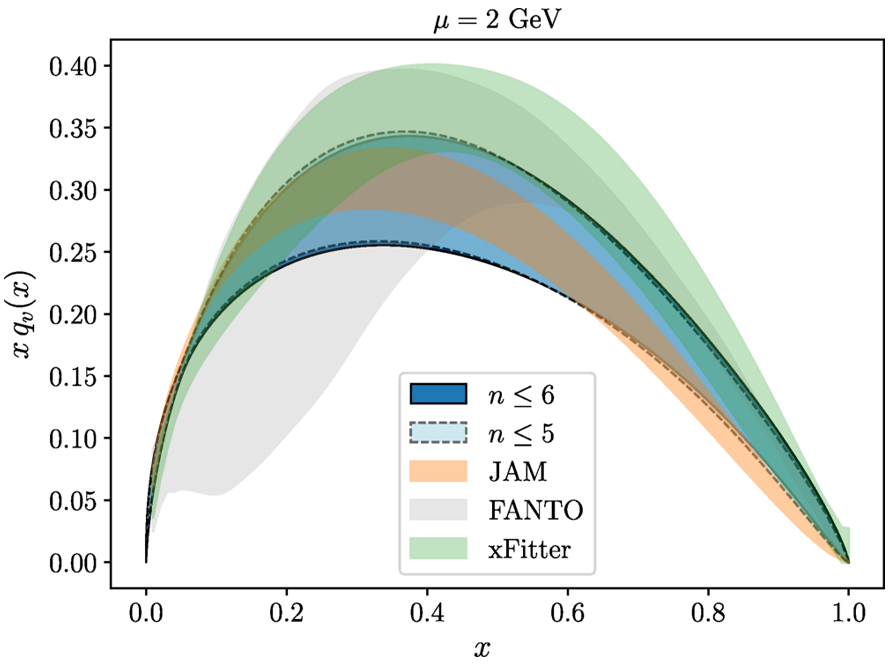
Gradient Flow for Parton Distribution Functions: First Application to the Pion
Episode 3: The Invisible Cannonball: Tracking Alpha Therapy for the Future of Cancer Treatment