

The Nuclear Theory Program at LBNL covers a wide spectrum of nuclear physics, ranging from high-energy heavy-ion physics to nuclear structure, nuclear astrophysics and QCD in hadronic physics. The research program is particularly focused on the study of the physical properties of nuclear matter under extreme conditions- from the formation of the quark-gluon plasma in high-energy heavy-ion collisions to dense matter in neutron stars, from effective field theories for few-body systems to macroscopic properties of super-deformed nuclei and production of superheavy elements. We seek theoretical understanding of properties of nuclear matter under different conditions from both fundamental and effective theories of the strong interaction by developing phenomenological methods for the analysis and interpretation of experimental data.
We, the nuclear theorists, work on many exciting problems covering a breadth of areas in nuclear physics. Our group consists of senior researchers, joint faculty from UC Berkeley, postdocs with various backgrounds and expertise in nuclear science, as well as a number of graduate students from UC Berkeley and other institutions.
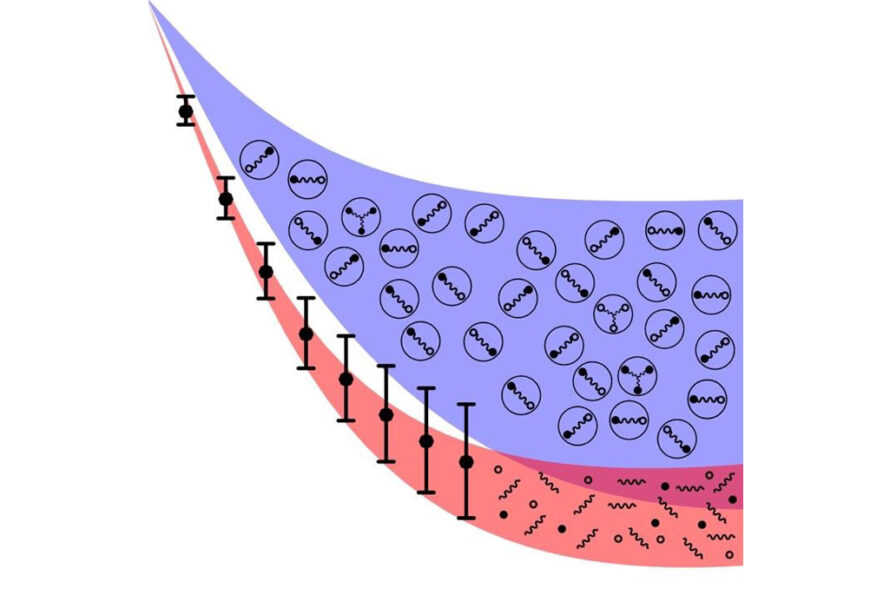
Di-nucleons do not form Bound States at Heavy Pion Mass
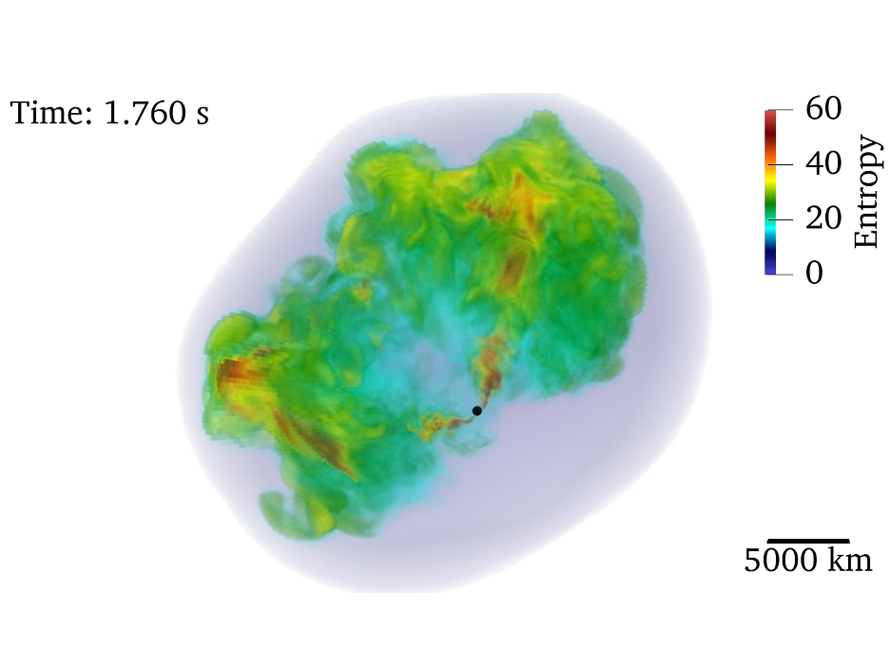
The Whole Shebang: Complete 3D Simulations of Supernovae
Sailing the EIC Science Across the Atlantic
Nuclear Theory Seminars are held (unless otherwise noted) every other Wednesdays at 1pm in the Swiatecki Lounge (228) @ LBNL and every other Thursday at 4pm in Birge 468 (sky-bridge connected to Physics South) @ UC Berkeley.
Indications for Freeze-Out of Charge Fluctuations in the Quark-Gluon Plasma at the LHC
(Determining) Matter Distribution Inside the Nucleons
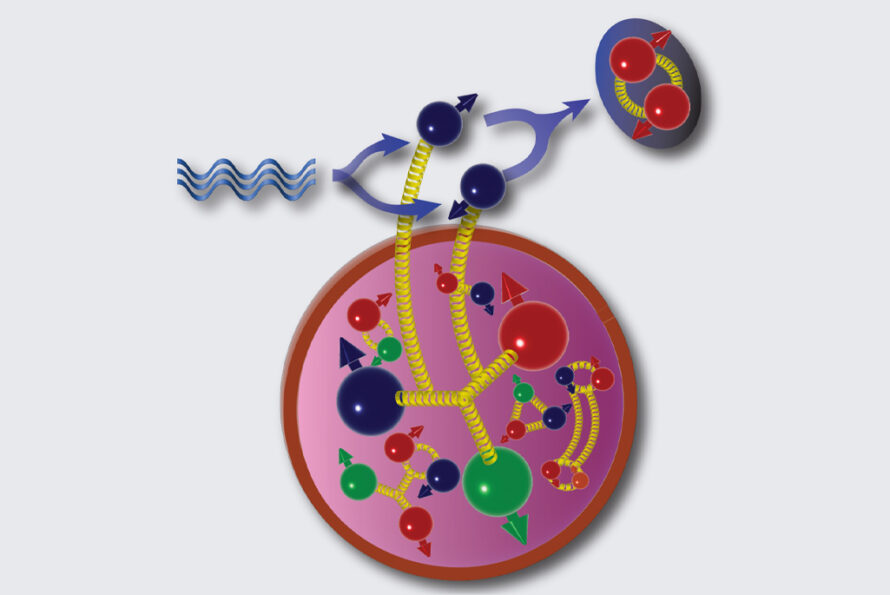
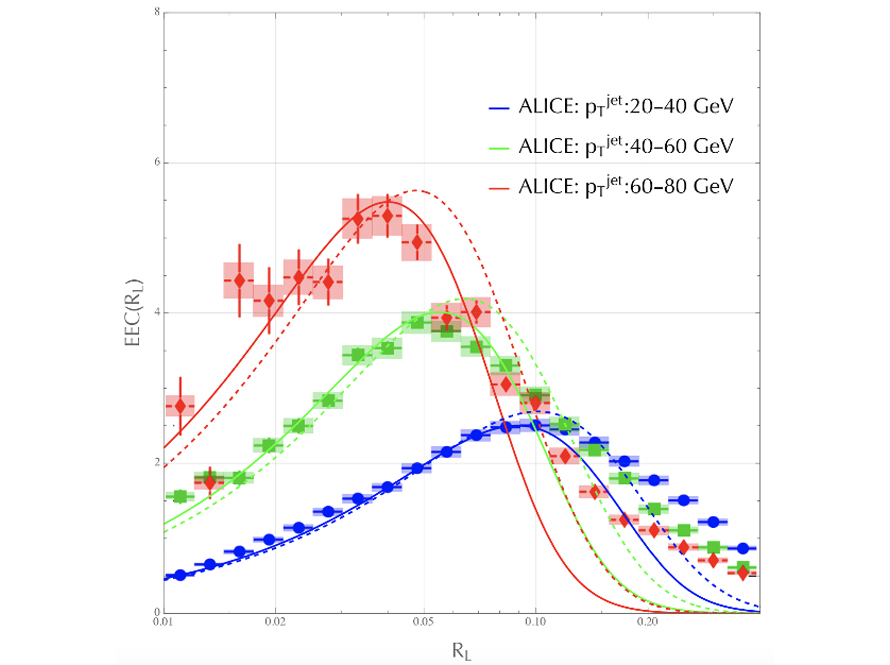
Universal Energy-Energy Correlators at Colliders

